


Good products, sad mockups
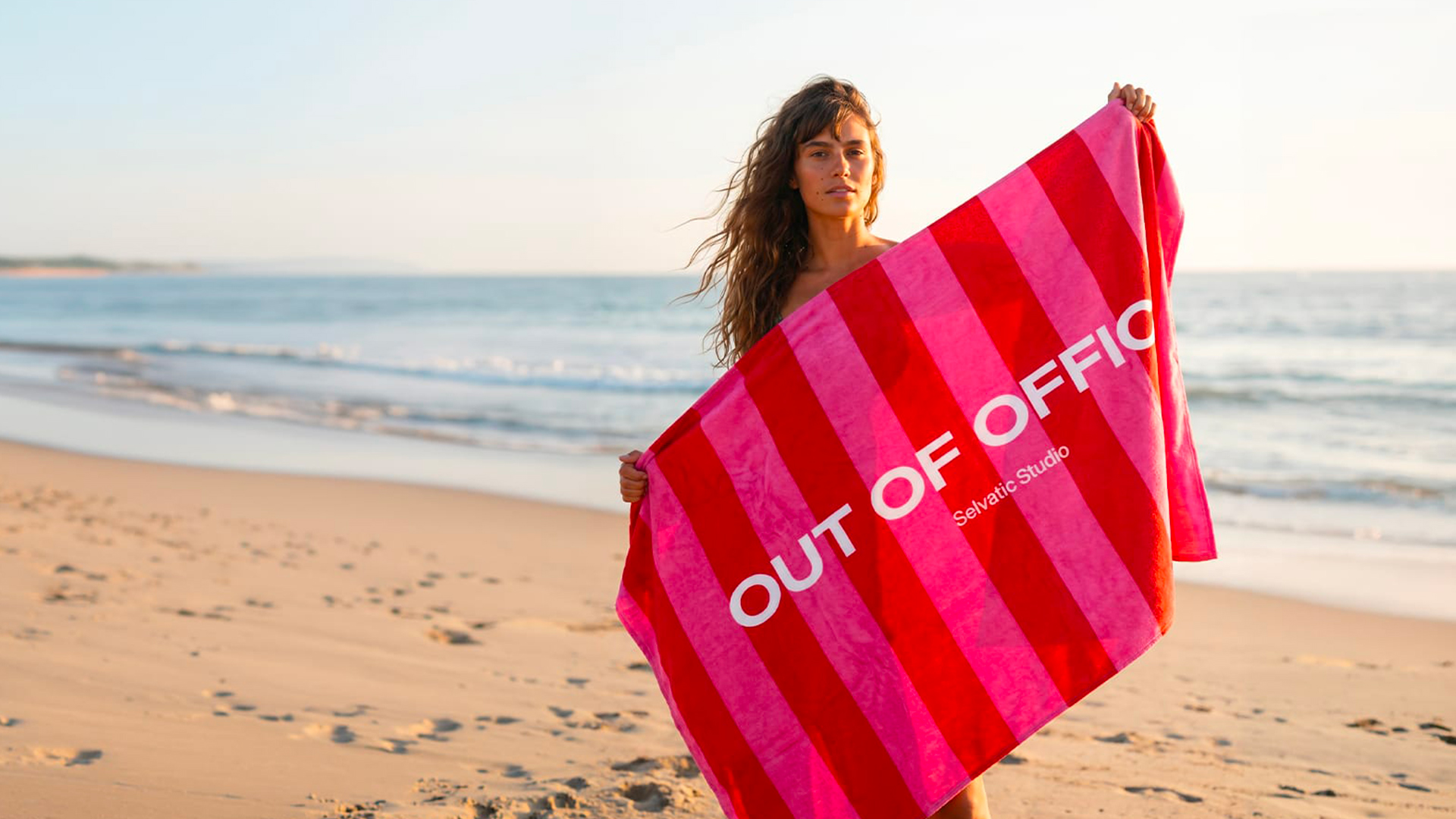
We had good products, our own streetwear line, Out of Office, sold through our own e-commerce store. The mockups, though, were flat and a little sad, the kind of image that makes a genuinely nice t-shirt look like a placeholder in a spreadsheet. We wanted a real shoot, the kind with a model, a location, decent light. What we actually had was a small budget and zero models on the books. Normally that combination means the sad mockups stay sad for another quarter while you save up.
We didn’t wait. We built the shoot instead, start to finish, without booking a single person.
How it actually comes together
Here’s how it works. We start with the model, who doesn’t exist yet. I write Claude an almost absurdly detailed casting brief, features, build, expression, posture, the kind of detail that makes a face feel like someone rather than no one. Figma Weave, an AI-powered creative platform and node-based canvas for generating and editing media, is where that brief becomes a person: it turns the casting sheet into a front shot and a side shot of the same AI-generated model, consistent enough to reuse across the whole set, so the same “person” shows up in every photo instead of a slightly different face each time.
The product goes in next. Mockup exact, graphic untouched, nothing quietly reinterpreted along the way, because the one thing worse than a sad mockup is a good mockup with the wrong font on it. Then we build the scene around it, sand for a towel, pavement for the streetwear, whatever context makes the product make sense.


Where it all ties together
This is where Nano Banana Pro does the actual heavy lifting. It’s Google’s advanced, state-of-the-art AI image generation and editing model, built on the Gemini 3 Pro architecture, running inside Figma Weave to merge model, product and scene into one shot: same light, same spot, a different angle for every photo in the set. It looks like one coordinated session because, structurally, it is one. It’s a genuinely good example of how far AI-generated product images have come from the stiff, slightly uncanny renders of a couple of years ago, when you could spot a fake at a glance.
What changes when a shoot costs an afternoon
What used to need a proper budget and a proper calendar now needs an afternoon. Not as a rough estimate, an actual full set of shots, done before lunch. That’s not just cheaper, it changes what’s worth trying. When a shoot costs an afternoon instead of a season, you can generate three versions of a scene and keep the one that’s actually right, instead of committing to whichever direction the budget allowed.


The fun part
Honestly, learning this workflow has been one of the more fun weeks we’ve had at Selvatic lately. There’s something quietly satisfying about watching a shoot that would once have taken months come together before lunch, and about realising the fiddly part, getting the model just right, turned out to be the most enjoyable part to figure out.
Got a catalogue that deserves better photos? We can run this same process for you.


